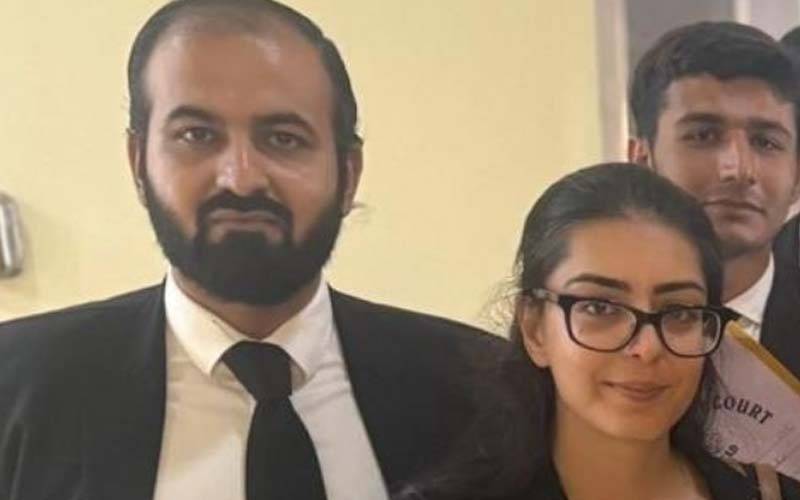
In what rights activists are calling a troubling development for freedom of expression and judicial independence, an Islamabad sessions court has sentenced prominent human rights lawyers Imaan Zainab Mazari and her husband Hadi Ali Chattha to prison terms over social media posts made on platform X.
The lawyer couple, well known for representing victims in cases involving enforced disappearances, blasphemy allegations, and challenges to judicial independence, was convicted a day after their arrest on January 23.
According to court proceedings, the National Cyber Crime Investigation Authority (NCCIA) filed the complaint, accusing Imaan Mazari of allegedly disseminating content that “aligned with hostile terrorist groups and proscribed organisations.” Hadi Ali Chattha was charged for reposting the same content.
Additional District and Sessions Judge Muhammad Afzal Majoka found the couple guilty of glorification of an offence, cyberterrorism, and spreading false information.

Under the verdict, both were sentenced to:
- Five years of rigorous imprisonment and a fine of Rs5 million for glorification of an offence
- Ten years of imprisonment and a fine of Rs30 million for cyberterrorism
- Two years of imprisonment and a fine of Rs1 million for spreading false information
The convictions have sparked widespread concern among members of the legal community and human rights organisations, who view the ruling as part of a broader pattern of lawfare against dissenting voices.
Observers note that the case against the couple included the sudden revival of an earlier, previously undisclosed complaint shortly before their detention. Critics argue that the speed of the arrest and conviction raises serious questions about due process.
Legal experts warn that such verdicts could have a chilling effect on lawyers, journalists, and civil society, potentially discouraging advocacy on sensitive issues related to human rights, free speech, and the rule of law.
The case has intensified debate over the shrinking space for dissent in Pakistan and the future role of the legal community in defending constitutional freedoms.